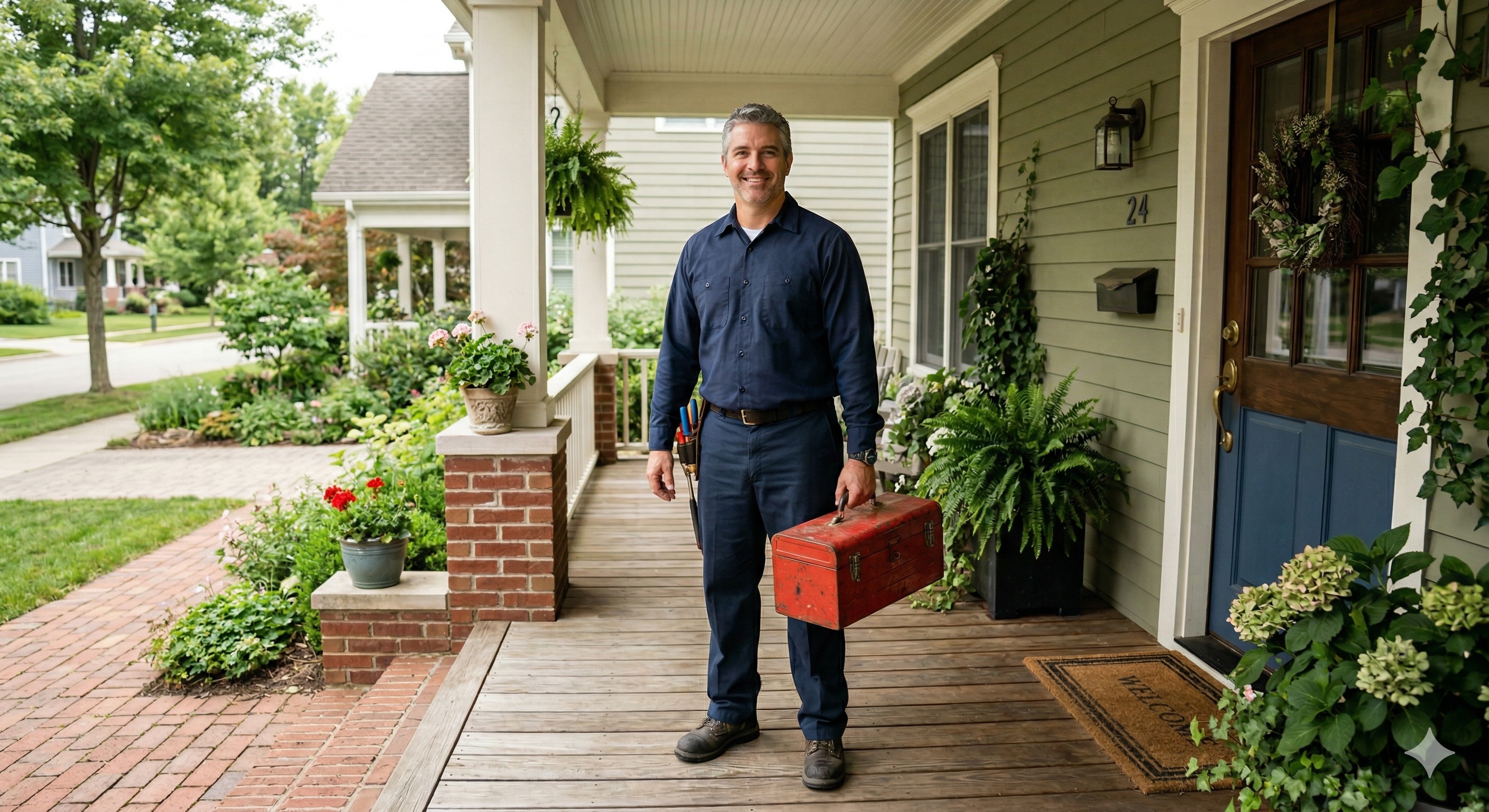
Emergency Water Shutoff: Storm Preparation for Buckeye Homeowners
When monsoon season rolls through Buckeye from July through September, the desert landscape can transform dramatically. What starts as a scorching 115°F day can quickly turn into a torrential downpour with flash flooding, putting your home’s plumbing system at serious risk. As a Buckeye homeowner, knowing how to quickly shut off your water supply during storm emergencies can mean the difference between minor inconvenience and thousands of dollars in water damage.
The unique desert climate here in Buckeye presents specific challenges for plumbing systems. Our newer construction, built predominantly on concrete slabs since the 1990s, means most homes don’t have the luxury of basement access to plumbing lines. This makes emergency preparedness even more critical, as water damage spreads quickly across slab foundations and into living spaces.
Locating Your Main Water Shutoff Valve
Every Buckeye homeowner should know exactly where their main water shutoff valve is located before an emergency strikes. In our desert community, these valves are typically positioned differently than in other climates due to our slab foundation construction and extreme temperature considerations.
Most homes built in Buckeye’s suburban developments have their main shutoff valve in one of these locations:
- Near the water meter at the front of your property, usually close to the street
- Along the front exterior wall of your home, often on the side closest to the street
- Inside a covered utility area or mechanical room, especially in newer custom builds
- Behind landscaping or decorative elements that may have grown over time
The valve typically looks like a wheel handle or lever and may be housed in a concrete box or meter pit. In Buckeye’s intense heat, these components can become extremely hot during summer months, so always use gloves when handling them during daytime hours.
Step-by-Step Emergency Shutoff Process
When monsoon flooding threatens your home or you discover a major plumbing leak, acting quickly is essential. Here’s the exact process every Buckeye resident should follow:
Before the emergency occurs:
- Test your shutoff valve quarterly to ensure it turns easily and completely stops water flow
- Keep a water meter key or adjustable wrench near your valve location for lever-type shutoffs
- Clear vegetation and debris from around the valve area to ensure easy access
- Mark the valve location with spray paint or a small flag so family members can find it quickly
During the emergency:
- Turn the valve clockwise (right) to shut off water - remember “righty tighty, lefty loosey”
- Make quarter-turns gradually rather than forcing the valve, as desert heat can make components brittle
- Check that water flow stops by testing a faucet inside your home
- Document the time you shut off water for insurance purposes if needed
For Buckeye homeowners dealing with monsoon-related flooding, shutting off electricity to affected areas should happen before water shutoff for safety reasons.
Monsoon-Specific Plumbing Preparations
Buckeye’s monsoon season brings unique challenges that differ significantly from our typical desert conditions. The sudden shift from extreme drought to intense rainfall can overwhelm drainage systems and create unexpected plumbing emergencies.
Outdoor preparations:
- Inspect exposed irrigation lines for UV damage from our intense desert sun before storms arrive
- Secure loose plumbing fixtures that could be damaged by high winds and debris
- Clear gutters and downspouts to prevent water backup near your foundation
- Check pool equipment connections as these are often overlooked but vulnerable during storms
Indoor preparations:
- Locate floor drains in utility areas and ensure they’re clear of debris
- Test sump pumps if your home has them, though they’re less common in Buckeye’s slab construction
- Move valuable items away from areas prone to water intrusion
- Keep emergency supplies including flashlights, as power outages often accompany severe weather
The hard water conditions common throughout Buckeye can make emergency shutoffs more difficult, as mineral deposits may cause valves to stick. If you struggle to turn your main valve, don’t force it - call a professional plumber in Buckeye rather than risk breaking the valve during an emergency.
Protecting Your Plumbing System Year-Round
While emergency shutoff knowledge is crucial, preventing plumbing disasters requires ongoing attention to our unique desert conditions. Buckeye’s extreme temperature swings and mineral-rich water create specific maintenance needs that differ from other regions.
Seasonal maintenance tasks:
- Inspect outdoor fixtures monthly during summer months when heat stress is highest
- Flush water heaters annually to remove hard water mineral buildup common in our area
- Check pipe insulation in unconditioned spaces, as winter temperature drops can surprise desert dwellers
- Schedule professional drainage inspections before monsoon season to prevent backup issues
Heat-related precautions:
- Shade exposed water lines where possible to prevent heat stress and expansion issues
- Avoid using outdoor fixtures during peak temperature hours (typically 11 AM to 5 PM in summer)
- Monitor water pressure changes that could indicate heat-stressed pipes expanding or contracting
- Replace UV-damaged components on irrigation systems and outdoor plumbing annually
Remember that Buckeye’s rapid growth means many neighborhoods have relatively new plumbing systems, but even newer pipes can fail under extreme conditions. Regular maintenance and emergency preparedness protect your investment in your desert home.
When to Call a Professional
While knowing your emergency water shutoff is essential DIY knowledge, certain situations require immediate professional attention. As a homeowner in Buckeye, understanding these limits can prevent minor issues from becoming major disasters.
Call a professional plumber immediately if you experience:
- Sewage backup during storms, which poses serious health risks and requires specialized equipment
- Main line breaks or leaks, especially those affecting multiple fixtures or creating foundation concerns
- Pressure regulator failures, which can damage multiple appliances and fixtures simultaneously
- Electrical issues combined with plumbing, particularly common during monsoon flooding events
Don’t attempt DIY repairs on gas water heater connections, main sewer lines, or any plumbing issue that affects your home’s structural integrity. Buckeye’s slab foundation construction means water damage spreads quickly and requires prompt professional remediation.
Being prepared for plumbing emergencies is part of responsible homeownership in Buckeye’s challenging desert climate. By knowing your shutoff valve location and following proper emergency procedures, you’re protecting your home from our region’s unique weather extremes. Regular maintenance and preparation make all the difference when monsoon storms test your plumbing system.
Need professional help? Call The Buckeye Plumber at (602) 610-6623
Need Professional Help?
If you're experiencing plumbing issues in Buckeye, our licensed plumbers are ready to help.
Call Now: (602) 610-662324/7 Emergency Service Available